What Basingstoke Patients Need to Know About Gum Disease
Gum health is just as important as your teeth, yet many patients are unaware they have a problem until it becomes serious. Periodontal disease (gum disease) is one of the most common causes of tooth loss in adults, but with early diagnosis and the right care, it can be managed effectively.
If you are noticing bleeding gums, bad breath, or loose teeth, this guide will help you understand what is happening and what you should do next.
What Is Periodontal Disease?
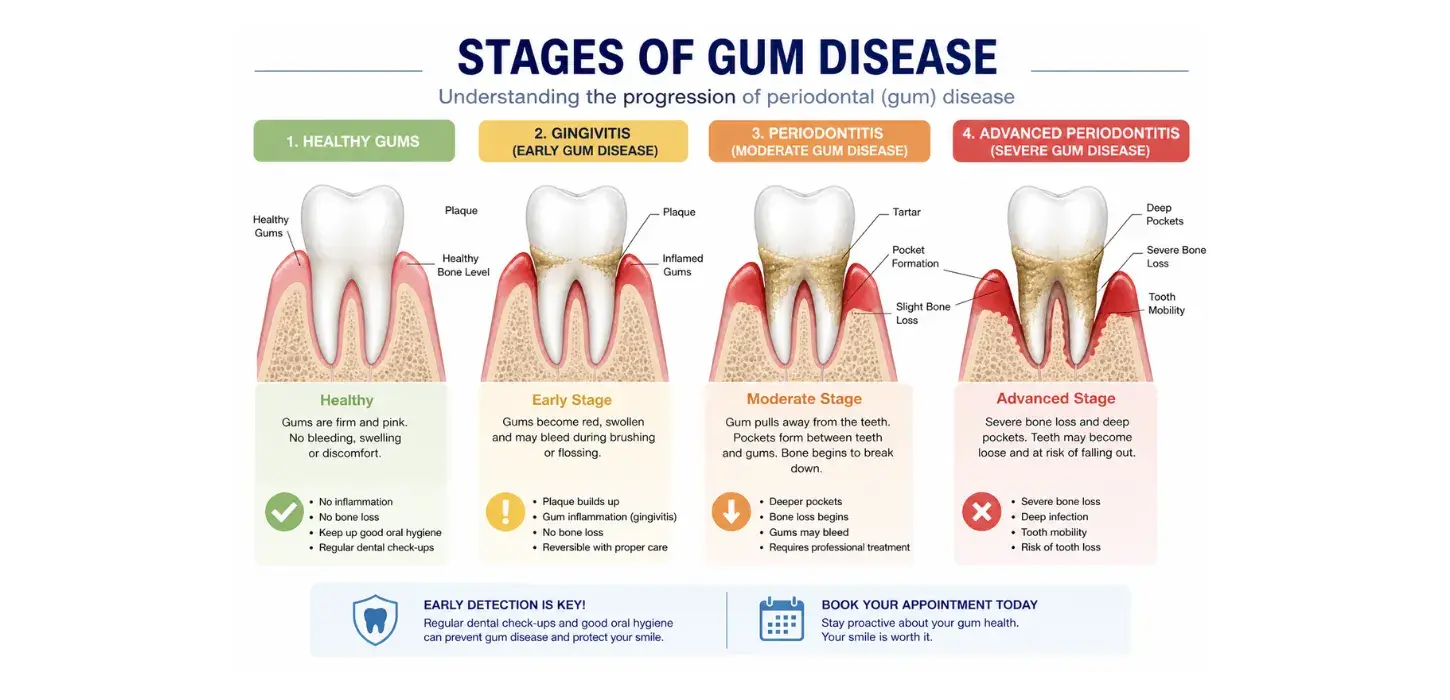
Periodontal disease is an infection of the gums and supporting structures around your teeth. It usually starts with plaque build-up and can progress if not treated early.
There are two main stages:
Gingivitis: Early stage with red, swollen, and bleeding gums
Periodontitis: An advanced stage where bone loss and gum damage occur
If left untreated, periodontitis can lead to loose teeth and eventual tooth loss.
Common Signs of Gum Disease
Many patients ignore early symptoms because they are often painless.
Look out for:
- Bleeding when brushing or flossing
- Red or swollen gums
- Persistent bad breath
- Receding gums
- Sensitive teeth
- Loose teeth
- Gaps developing between teeth
If you notice any of these signs, it is important to book a dental check-up as soon as possible.
What Causes Periodontal Problems?
The main cause is plaque — a sticky layer of bacteria that forms on teeth.
However, several factors can increase your risk:
- Poor oral hygiene
- Smoking
- Diabetes
- Stress
- Hormonal changes
- Genetics
Even patients who brush regularly can develop gum disease if plaque is not removed properly from all areas.
Why Gum Disease Is Serious
Gum disease is not just about your mouth; it can affect your overall health.
Untreated periodontal disease can lead to:
- Tooth loss
- Bone loss around teeth
- Chronic bad breath
- Reduced confidence in your smile
- More complex and costly treatments later
This is why early detection and regular hygiene visits are essential.
How Is Periodontal Disease Treated?
Treatment depends on how advanced the condition is.
At Hampshire Dental Care, the focus is on stopping the disease and maintaining your gum health.
Treatment may include:
- Professional cleaning to remove plaque and tartar
- Deep cleaning (scaling and root surface debridement)
- Regular hygiene maintenance visits
- Personalised oral hygiene advice
- Monitoring gum health over time
In more advanced cases, referral to a specialist may be required.
Can Gum Disease Be Reversed?
Gingivitis (early stage) can usually be reversed with good oral hygiene and professional cleaning
Periodontitis (advanced stage) cannot be fully reversed, but it can be controlled and stabilised with the right treatment and maintenance
The key is early action.
How to Prevent Periodontal Problems
Prevention is always better than treatment.
Simple steps include:
- Brushing twice daily with proper technique
- Cleaning between teeth (floss or interdental brushes)
- Regular dental check-ups
- Routine hygiene appointments
- Stopping smoking
- Maintaining a healthy diet
Your dental team can guide you on the best cleaning methods for your teeth and gums.
Gum Disease Treatment in Basingstoke
At Hampshire Dental Care, we provide gentle and effective gum disease treatment in Basingstoke.
Whether you need a routine hygiene clean or more advanced periodontal care, our team will assess your gums, explain your condition clearly, and create a personalised plan to protect your oral health.
Book Your Gum Health Check
If you are concerned about bleeding gums, bad breath, or loose teeth, do not ignore the signs.
Early treatment can save your teeth and prevent more complex problems later.
Book your appointment at Hampshire Dental Care today and take the first step towards healthier gums and a confident smile.
Have questions about this treatment?
Our compassionate clinical team is here to guide you with personalised care and advice.